Rarely does a productive garden start with costly equipment or an attractive property. Most of the time, it’s the person who starts with the seeds, and then pays attention to the outcomes. This can help them make better choices next time around.
The Sproutstead’s informational resource is based on a practical approach. It was designed to help people grow food, improve soil health, conserve harvests, and to learn methods for self-sufficiency without getting stuck in technical language.
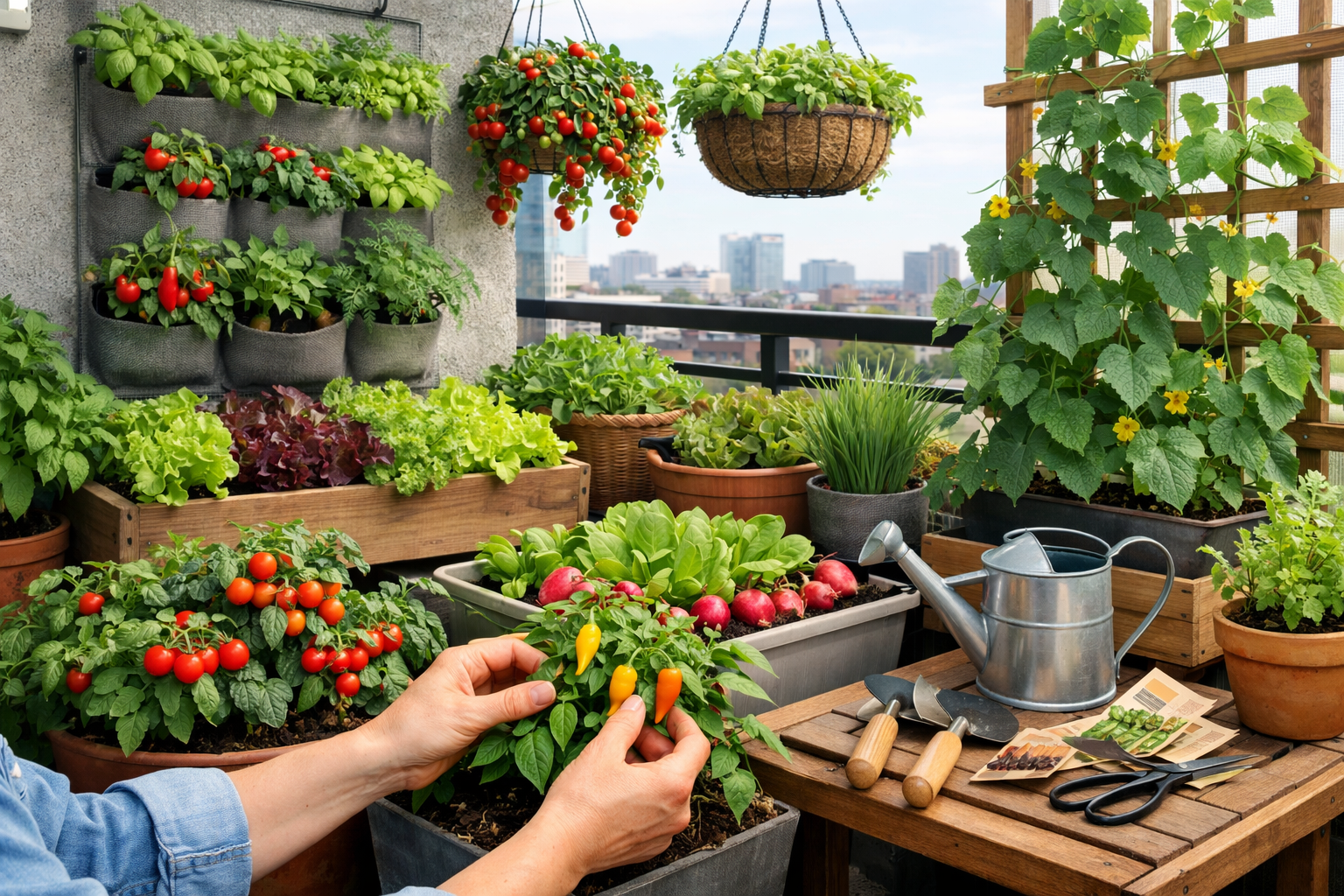
Each garden has its own set rules
One reason that gardening tips can become frustrating is that gardens can’t be interchangeable. The same tomato cultivar that’s planted in a raised bed with sunlight in one region could act very differently than the same tomato variety grown in a dense, heavy soil in another region.
Successful gardening and homesteading therefore involves more than following instructions. Understanding your own conditions is crucial for gardeners. This includes sun, soil, temperature and rainfall, the growing season, the area available, and how much time you have to devote to maintaining your garden.
The Sproutstead’s primary focus is to explain these factors so that readers can adapt gardening information to a typical home, rather than attempting to recreate someone else’s ideal setup.
Under the surface, vegetable gardening begins
The plants that appear to be visible draw attention However, a significant amount of success in a garden can be determined by what’s underground.
The proper balance between drainage, moisture retention (retention of water) and nutrients as well as organic matter is crucial to healthy soil. Composting is a great way to improve soil mulching can help conserve the moisture and reduces the spread of weeds. If you are aware of these fundamentals, you will simplify your gardening efforts. This is because having better conditions for growth will provide your plants a solid foundation.
It is also essential to plan. The spacing of plants, the timing of crops as well as companion planting and seasonal succession can determine the effectiveness of gardening in the space available.
Tomatillos Teach Us to Pay Attention
There’s a chance to hear 10 distinct stories from ten gardeners if you ask them about tomatoes. They’re among the most sought-after cultivars for home gardens, but they also show how many gardening conditions can work together.
Anyone looking to learn how to grow tomatoes should think beyond fertiliser schedules and planting depths. They require enough sunlight, regular watering, suitable soil and appropriate spacing as they mature. The selection of tomato varieties is also important because the conditions of their growth, the available space, and intended uses can affect which tomatoes are the best.
If a plant produces lots of foliage but few fruits, adding additional fertilizers to the soil may not be enough. The cause could be by excessive nitrogen, extreme temperatures, insufficient sunlight or issues with pollination. It is better to observe the entire plant rather than treat every symptom the same method.
The Story of a Harvest is Not Complete
If half of the vegetables were rotten before eating them, then you’ve made an unsatisfactory experience. After harvest, a thoughtful home-growing method considers the whole process.
Canning or freezing, drying, sharing surplus food, preserving seeds that are suitable, and composting waste materials can help households increase the value of what they grow. In addition, backyard chickens, composting fruits trees, and herbs can all be incorporated into the system of your home.
Nobody needs to adopt every homesteading practice at once. The first step to progress is learning how ways to grow lettuce or enhance your compost heap or even preserve the first tomato plant you made at home.
Knowledge is Power: Better Gardeners are created by using useful information
The most helpful gardening knowledge does not guarantee perfect plants. Weather, pests and seed failures may vary from region to region.
The Sproutstead treats these realities more as a part of learning, not an isolated event. The Sproutstead connects topics like soil, seeds, and vegetables starting with pests, self-sufficiency (backyard chickens), conservation and backyard chickens. The readers learn not only how to garden, but also about the reasons for it.
A more productive home garden is usually built exactly the same way that plants grow in a gradual manner, season by season, from a strong base.