Engineering would be considerably simpler if water was always arriving at the same time.
It’s not.
The quantity of wastewater flowing into the residential system can vary throughout the day. Commercial and industrial facilities may have peak operating hours. Stormwater conditions can dramatically change depending on the weather. The demand for clean water can also increase and decreases depending on the application.
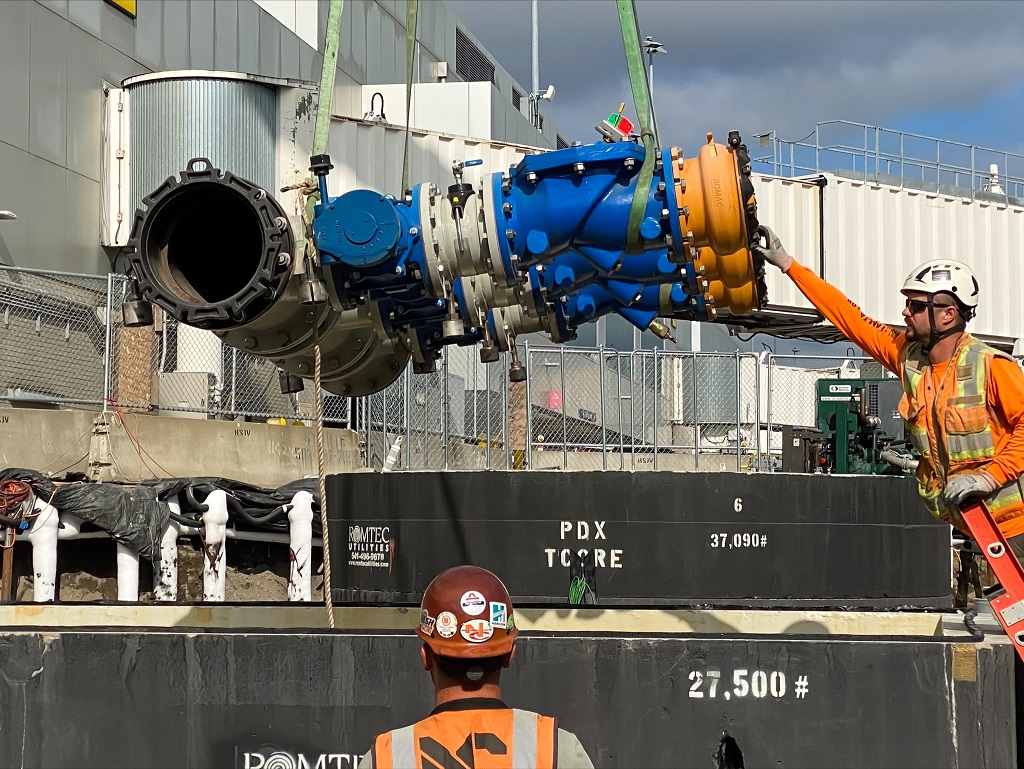
Image credit: romtecutilities.com
When designing an efficient pumping station, it’s not only a matter of selecting the equipment that will be able to handle a particular flow. Engineers need to be aware of the variety of conditions that the system is likely to be exposed to.
Be aware of the operating conditions and not just the Maximum Capacity
The flow that is the highest in importance but it’s only part of the process. Imagine a wastewater system designed to provide a high flow rate. Most of the time, incoming flow may be much lower. In these times when the station is not operating, it must operate properly.
This raises questions regarding wet-well size, pump operation, control, head conditions and how the equipment will respond when demand changes.
When making a design for a package pumping system It is crucial to think about the needs of the place and not only the pump’s capacity.
The Routine for Wastewater
The conditions of the influent at the wastewater liftstation that serves households business, municipal infrastructure or even businesses will change as a result of its operation.
The station’s control strategy will determine how the system is able to collect wastewater and operate its pumps. The structural dimensions, the pumping equipment, piping and pumps and electrical components and controls, all play part in this process.
Other considerations for the specific site may influence the design. Romtec Utilities is able to include additional equipment, such as grinder vaults or odor-control equipment, depending on the specific application. The result is a system that is designed to meet the requirements of the project rather than a generic setup applied to every wastewater site.
Stormwater Changes Much More Fast
A stormwater lift station may see relatively little activity during dry conditions and then face substantially greater inflow during a weather event. Stations are often a part of bigger flood control methods, detention and treatment plans and therefore the stormwater plan is a crucial element in the design of the system.
In the process of developing these systems, Romtec Utilities considers a variety of variables, including the flow rate required and head condition, the system size, needs of the site as well as environmental aspects.
Stations that serve commercial developments could be very different from the ones designed for municipal stormwater use.
Head Conditions Are Important Alongside Flow
Moving 1,000 gallons of water is only part of the engineering task. Engineers must also know where the water will go, and the resistance that must be overcome by the pumping system.
Pumps are able to operate at different levels of head based on the design of the system, including the piping, discharge conditions, etc.
The connection between flow rates and head is a reason why choosing a motor based solely on the capacity rating does not work. Technology and station layout must be in line with the hydraulic requirements of the particular application.
Plan for the conditions that the station will experience
Romtec Utilities develops customized pumping systems for stormwater, wastewater and clean water boosters, industrial, and other purposes. The process starts with initial design plans, budgeting, set-ups along with system components, documentation, and startup and testing.
The fundamental concept of engineering is that a genuine pumping systems don’t work under the same condition.
They have to contend with shifting flows, changing demands, and project-specific hydraulic needs. This is a fact that must be taken into consideration when designing a successful station.