A pump station may appear to be a straightforward structure for utilities from the outside, but in actual it isn’t identical. Some sites may need to move wastewater uphill from a new housing development or another one may have to maintain water pressure across commercial properties with shifting elevations and expanding demand. Certain projects are municipal, others are industrial or private, and each comes with specific design specifications as well as longer-term operational goals.
It’s for this reason that pumping systems can’t be built to be based on a “one-size-fits all” mentality. The success of a station depends on the specifics of the location and its flow conditions. It is also based on the needs of the owner and the future plans for the property. Romtec Utilities works from that perspective, designing each package pumping system to fit the exact needs of the project rather than forcing the project to fit a generic system.
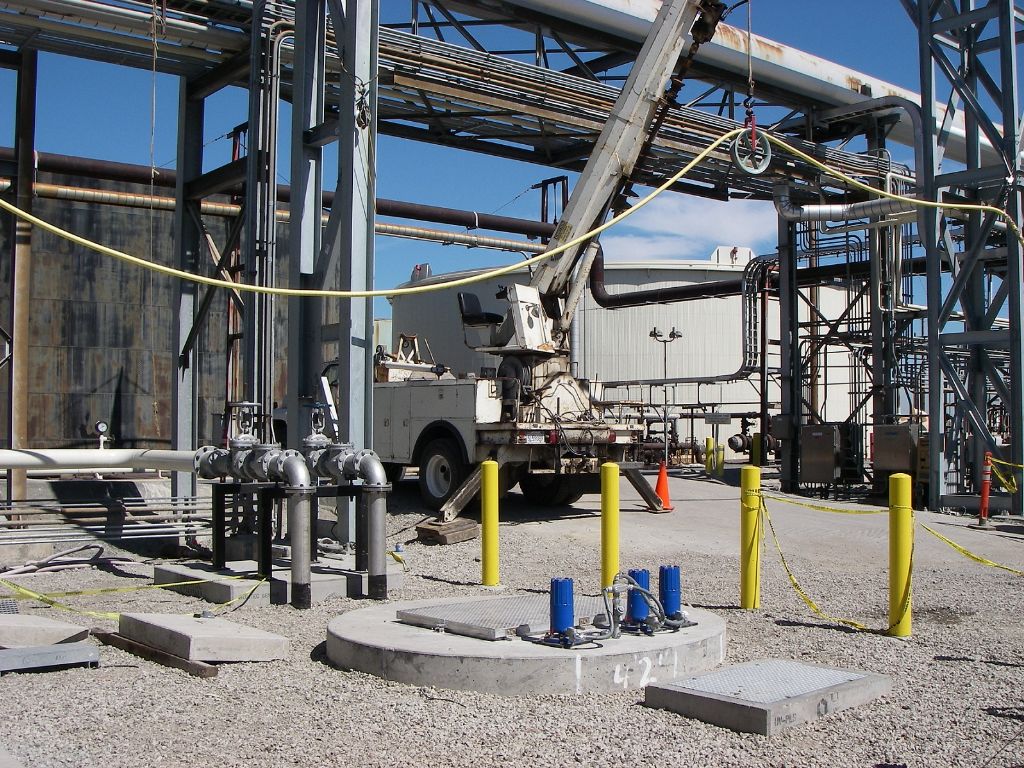
A good pumping design involves more than just moving water
Pumping stations are designed to pump water and wastewater in situations where gravity is not enough. But creating a system which does what it is supposed to do is not enough. It also has to be easy to maintain and comply with all state and local regulations. It is required to function not just on paper but also in the day-to-day realities of the individuals in charge of its operation.
It encompasses everything, from the structural design, the size of the wet well to electrical equipment, controls communication systems, and access for crews. If any of these components is poorly designed the system could result in operating problems for years to come. This is the reason that owners and engineers are so keen to work with the best engineers of lift stations. When you’re trying to balance budget, site constraints as well as hydraulic performance and long-term durability the experience of your team is essential.
Romtec Utilities integrates these areas in one place. Romtec Utilities manages the structural, mechanical and electrical elements of the station as a whole system, ensuring that customers don’t have to coordinate different vendors. That single-source approach often saves time in the design process, eliminates confusion when purchasing and provides a more smooth route to installation.
When properly designed If designed correctly, pumping systems for package pumps can simplify the process.
A packaged pumping system can simplify infrastructure projects, as it brings together key elements into one integrated solution. However, the true value lies in the way it is designed. In the event of a poorly-matched system, it could result in performance issues, excessive equipment, unnecessary costs, or longer-term maintenance issues.
Romtec Utilities views each package more as a solution than just a standard item. This means that specific to the location requirements will decide which pumps, controls valves, enclosures, and piping will be most suitable for. It is also crucial to think about how the system will be monitored, how users will have access to it, and what maintenance it will require over time. In the case of utilities infrastructure, a careful coordination at the beginning of the design phase can often prevent larger issues later on.
Booster pump station solutions solve different kind of infrastructure issue
Not every project is about water. In many construction projects, maintaining the pressure of water is just as crucial as moving the sewage. In this scenario, booster pump stations are essential. They ensure that water flows efficiently in a distribution system regardless of pressure issues due to changes in elevation, long pipe runs, or high demand.
Booster systems require a unique design approach to engineering, since they can include SCADA integration, variable frequency drives (VFDs), telemetry and architectural considerations, based on the area. Romtec Utilities designs the stations with the same specialized mindset as wastewater systems to ensure that the end product is both functional as well as operational.
A more efficient plan will lead to better long-term results
Early design support is considered to be one of the most valuable parts of Romtec Utilities’ process. Initial design and engineering support allow project teams to understand the potential extent, design, and cost of a system before moving too far into the procurement process or construction. Developers, consultants, and public entities can greatly benefit from this.
No matter if you need a wastewater lift station, the need for a package pumping solution or a variety of customized booster pump stations, the success of any project is usually determined by planning. A good design consultant will do more than just supply equipment. The right design partner helps develop a viable solution that fits the site and is in line with the goals of the owner.
The most reliable systems for utility work are often those that aren’t noticed by the public. think about because they work. This type of reliability is not a result of chance. It is the result of thoughtful engineering, a strong coordination and the experience to design each system around the real requirements of the project.