Imagine two public toilets. Imagine two restrooms that are public. The other serves a remote trailhead, surrounded by open space.
Both buildings offer the same service, however if they were built in the same way it would be difficult to comprehend how the two places function.
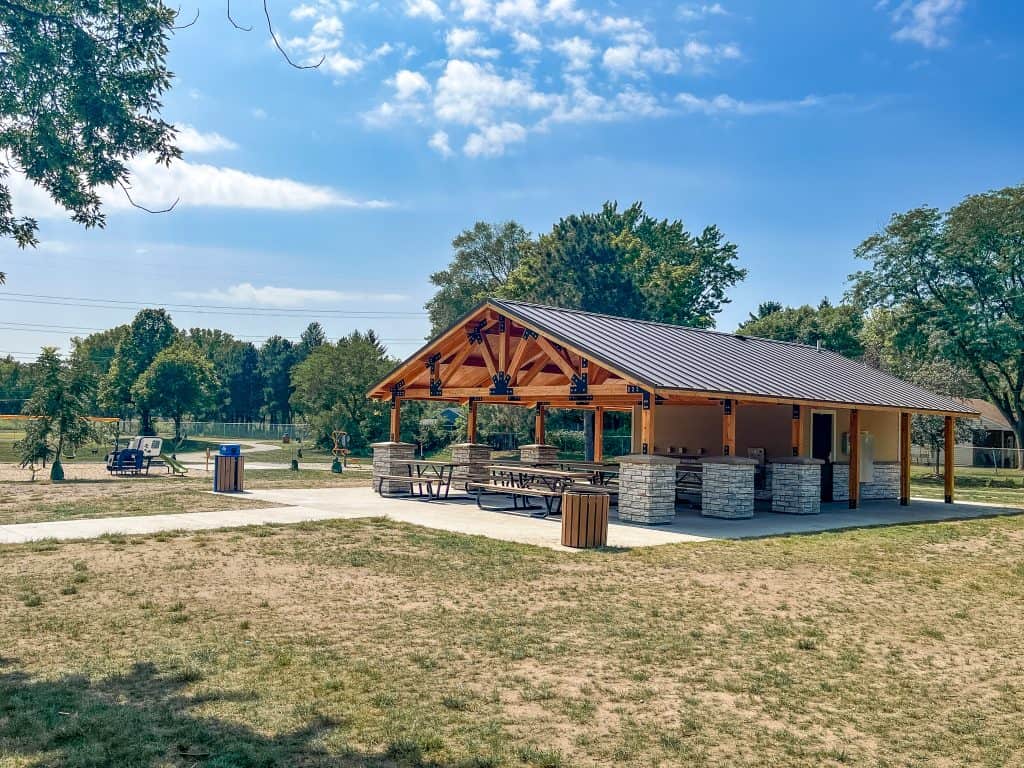
Image credit: romtec.com
Good public restroom facilities begin with the site. Who is the person who will be using the restroom? How many guests can be in the facility in one go? What services are available? How far are visitors required to take a walk? What architecture surrounds the structure?
These questions can influence almost every decision that follows.
Start with the way people move Through the Site
The placement of toilets shouldn’t be viewed separately from the rest of the park. Visitors can show up in large numbers to a sports complex to watch games or events. A playground restroom needs to be accessible to families while integrating safely into pedestrian circulation. In urban areas the space of sidewalk restrooms may be smaller, and they could need to complement other features in the streetscape.
The structure is just one part of the overall experience. The entrances, pathways, the surrounding activities and accessibility all affect the way that a location is used in practice.
Remote sites can cause a new Issue
The project must be relocated away from the developed street and utilities infrastructure. A scenic view, a campsite, trailhead, or a remote recreation area might not have a practical connection to sewer services that are conventional. When the circumstances are right vault toilets are an alternative for restroom facilities to be utilized in locations where traditional plumbing infrastructure may be difficult or impractical.
The design conversation is now completely different. Instead of selecting a building first, project teams can evaluate site conditions and decide which bathroom system best fits the space.
Capacity Should Be Reflective of Actual Use
A park in a quiet neighborhood or a sports facility regionally don’t have the same types of patrons. The demand for peak hours is vital. A facility that appears to be adequate on an ordinary Tuesday afternoon could face very different conditions on a weekend festival, tournament or other event for the community.
The planning around the actual usage helps owners plan for restroom capacities, layout, fixtures, maintenance access, and other operational requirements prior to construction even begins.
For organizations researching prefabricated park restroom buildings, flexibility can be particularly valuable because the building can be configured around the project’s requirements instead of forcing the site to accommodate a predetermined model.
The Architecture Conversation is Still Relevant to Us
The appearance of the restroom is essential, however it shouldn’t be overlooked because the function is more significant. A public restroom is a part of the natural landscape. Roof shapes, siding the colors of masonry, fixtures and other architectural features can help it relate to nearby pavilions, concession buildings and natural surroundings or an established community design theme.
Romtec’s bespoke approach lets teams to employ various materials, colors and shapes as well as exterior styling, instead of being restricted to a standard appearance.
Designing for the Place, not Just the Theming
Romtec collaborates with park owners as well as landscape architects and contractors to design and construct restrooms and other public buildings. The company’s experience includes building documentation and code requirements, ADA considerations, engineering components, selection of the right component, and construction throughout the United States.
However, the important start point is really simple. Start by deciding what type of bathroom you’d like construct. First, you must understand what’s already taking place on the location which includes people, activities and infrastructure. Then design the building that is appropriate for the area.