From the outside it may appear to be a straightforward utility structure, but no two projects are alike. One location may require to transfer wastewater upwards from a new housing development or another one may have to keep water pressure steady across commercial properties due to changing elevations and a growing demand. Some projects are industrial and others are municipal. Each one has their own set of requirements for the design, regulation and long-term expectations.
Pumping systems aren’t designed to suit all. The success of the station is contingent on the actual conditions of the site and the flow conditions. It also takes into account the owner requirements and future plans for the property. Romtec Utilities takes this perspective and creates every pumping package systems to meet the particular requirements of the project rather than forcing it to fit into a universal system.
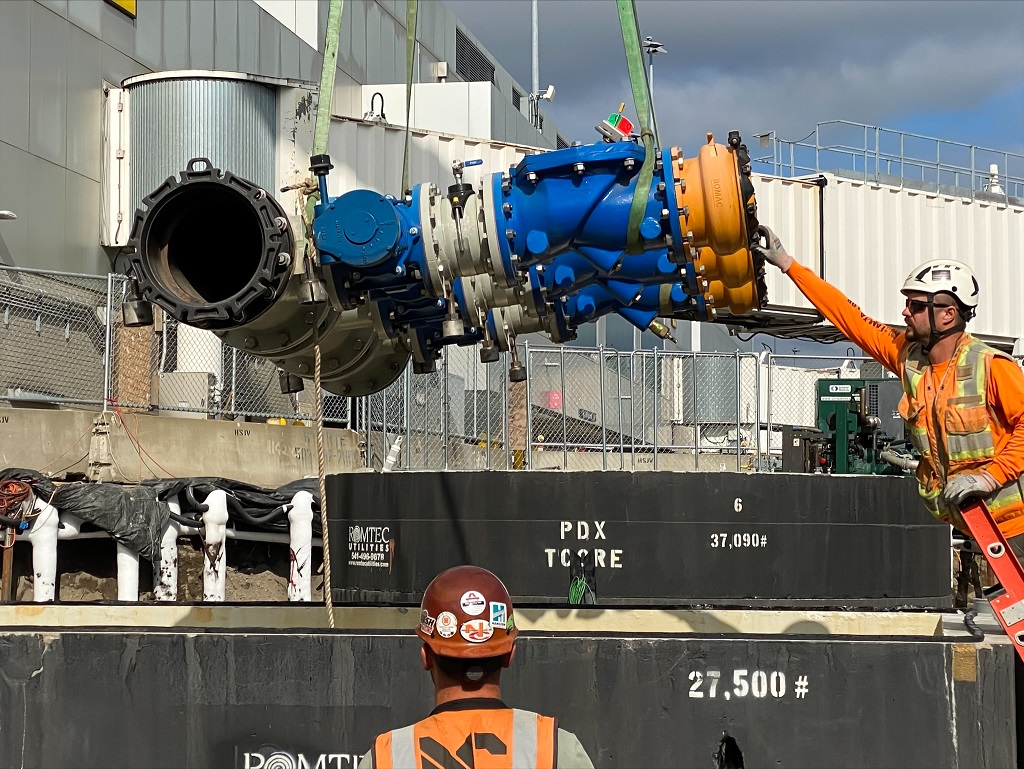
The design of a good pumping system is much more than just moving water
Pumping stations are designed to pump water and wastewater when gravity is not enough. It’s not enough to build a system that does the job. It has to be efficient, reliable, easy to use, and compatible with the requirements of local and state authorities. It must work in real life and not only on paper.
It covers everything from the structural design, wet well size, to controls, electrical equipment communication systems, and access for workers. Even if one of these parts isn’t well-planned the system could create operating issues for years. This is one reason owners and engineers place so much value on working with the best lift station designers. Experience is essential when trying to manage the hydraulic performance, durability over time budget, and limits of the site.
Romtec Utilities brings those disciplines together under one roof. Instead of forcing the client to coordinate with multiple vendors the company takes care of all structural, electrical mechanical, mechanical and communication parts as a system. The single-source model can make it easier to manage time and confusion in the procurement process and speed up the installation process.
When properly designed If designed correctly, pumping systems for package pumps can reduce complexity.
A package pumping system is able to simplify infrastructure projects because it combines key components into a coordinated solution. The most important thing is how well the package has been engineered. Unmatched systems can result in issues with performance, over-sized equipment excessive maintenance costs, or even long-term issues.
Romtec Utilities treats each package as a custom-engineered solution, not just a catalogue item. This means deciding on the appropriate pumps, controls, valves, piping, and enclosure options based on actual site needs. This includes thinking about how the system will work as well as how it will be monitored and maintained. In the context of utility infrastructure, careful coordination in the initial stages of design usually prevents bigger problems later.
Booster Pump Stations are a solution to a distinct type of problem in infrastructure
Not every project is about wastewater. In many projects, ensuring pressure in the water is just the same as removing wastewater. In this scenario booster pumps are critical. These systems are built to allow water to flow smoothly throughout a system, even when the pressure is low due to changes in elevation, the length of pipes or the high demand.
Booster systems generally require a different type of engineering approach because they may include control buildings that use variable frequency drives, SCADA integration, telemetry, and architectural considerations dependent on the site. Romtec Utilities designs the stations in the same way as wastewater systems, to ensure that the final result is both functional and operational.
A well-planned strategy leads to better performance over the long term
The early support for design is one of the most valuable parts of Romtec Utilities’ process. The initial engineering and design support helps team members to get a better idea of the scope, configuration and costs of the installation prior to when they begin procurement or construction. Developers, consultants, and public entities can greatly benefit from this.
Whether the need is the need for a wastewater lift-station, a pumping system that is packaged or a variety of custom booster pump stations the success of any project is usually determined by the planning. A good design partner will do more than just supply equipment. The right design partner helps shape a reliable solution that is suited to the location and meets the needs of the owner.
When it comes to utility work the most efficient systems are often the ones people don’t notice because they simply work. The reliability of this system isn’t something that simply occurs. It is due to meticulous engineering, coordination and experience in the design of each device to satisfy the requirements of the particular project.