In recent years, Computer Numerical Control (CNC) CNC machining has revolutionized many aspects of engineering and manufacturing. CNC is a method that uses digital technology in conjunction with traditional machining to create high-precision parts in a variety of industries. This article focuses on the benefits and uses of CNC-machining. It also discusses its effect on modern technology.
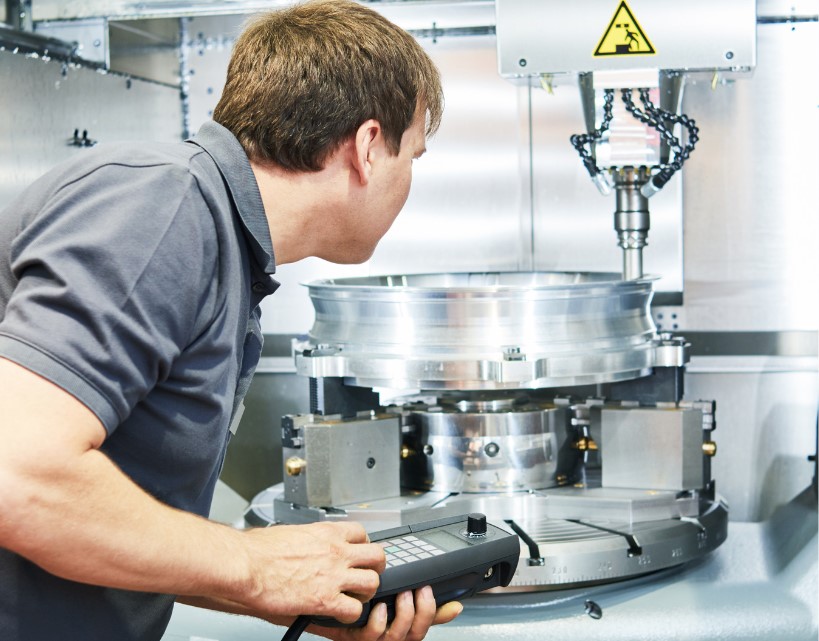
The machine’s mechanics are the basis for CNC Machining.
CNC machining is an subtractive method of manufacturing that is, it takes the substance from a solid block or piece of workpiece to make the shape you want. The process is controlled by computer software that is pre-programmed to control the movement of the machinery. The codes for CNC machines varies based on the type of machine used and the level of the component produced. However, the underlying concept remains the same: A high-speed cutter precisely cuts away material to form the finished product.
The accuracy of CNC machined parts is among its greatest benefits. The digitalized nature allows for the production of consistent and precise. This helps reduce human error while ensuring consistency across batches. This is crucial in the fields of medical devices, aerospace and manufacturing of automobiles, where tiny deviations could have devastating consequences.
The role of computers that are digital in CNC machine operations
Digital technology is at the heart of CNC the precision and effectiveness of CNC. CNC machines are controlled by specialized software that automates the entire manufacturing process. This software transforms computer-aided designs (CAD) into a precise set of instructions which are then executed by the CNC machine to produce the piece. These instructions determine everything from the speed and direction of the cutting tool to the angle and depth of every cut.
In industrial facilities with larger scales computers are often integrated directly into the CNC machines, allowing for seamless communication and control. This integration permits real-time adjustments and monitoring to ensure the highest performance, and reduce the amount of downtime. Automating CNC machining allows continuous operation. This improves productivity as well as reduces lead times.
CNC Machining: Its Advantages
CNC machining provides numerous advantages over traditional manufacturing methods. One of the main advantages is its ability to make complex and intricate parts with high precision. The precision of CNC machines eliminates the need to make manual adjustments or the need for rework, decreasing waste and improving efficiency. CNC machines can also be used continuously and are great for production runs that are large.
CNC machineries have another benefit in its the flexibility. The same machine can be used to produce a wide variety of components simply by altering the program. CNC can be adapted to any need, making it ideal for prototyping as well being a mass production. This allows manufacturers to quickly respond to market demands changes.
Automating CNC machines improves safety at work. The risk of injuries and accidents is reduced in situations where manual intervention isn’t necessary. In addition, the high-quality of CNC-machined parts enhances product reliability and performance, contributing to the satisfaction of customers and the reputation of the brand.
CNC Machining Services: Benefits for Industries
In a wide range of industries CNC machining has proven to be highly efficient, precise, and versatile. CNC machines employed in the aerospace industry produce components that must meet high safety and performance standards. Medical device manufacturers rely on CNC manufacturing for the manufacture of intricate surgical instruments and implants, in which precision is crucial.
CNC Machining can be used for the creation of engine components and transmissions, as well as intricate interior and exterior components, and even intricate exterior and interior designs for the automotive sector. In the same way, the electronics industry benefits from CNC machining’s ability to produce small, detailed parts for consumer electronics and communication devices. The art and jewelry industries too make use of CNC technology to produce unique pieces and intricate designs.
The future of CNC Machining
CNC machining capabilities are expected to increase with the advancement of technology. The capabilities of CNC technology will be developed by new technologies like multi-axis machine as well as additive manufacturing and advanced materials. Machine learning and artificial intelligence will likely increase the efficiency and precision of CNC machine machining.
CNC machining is a powerful tool that has impacted engineering and manufacturing in the present. It offers unparalleled precision, flexibility, and efficiency. The ability to create complex parts with a high degree of accuracy makes it an invaluable tool in a variety of industries. CNC machines are expected to play an important part in the advancement of technology.